








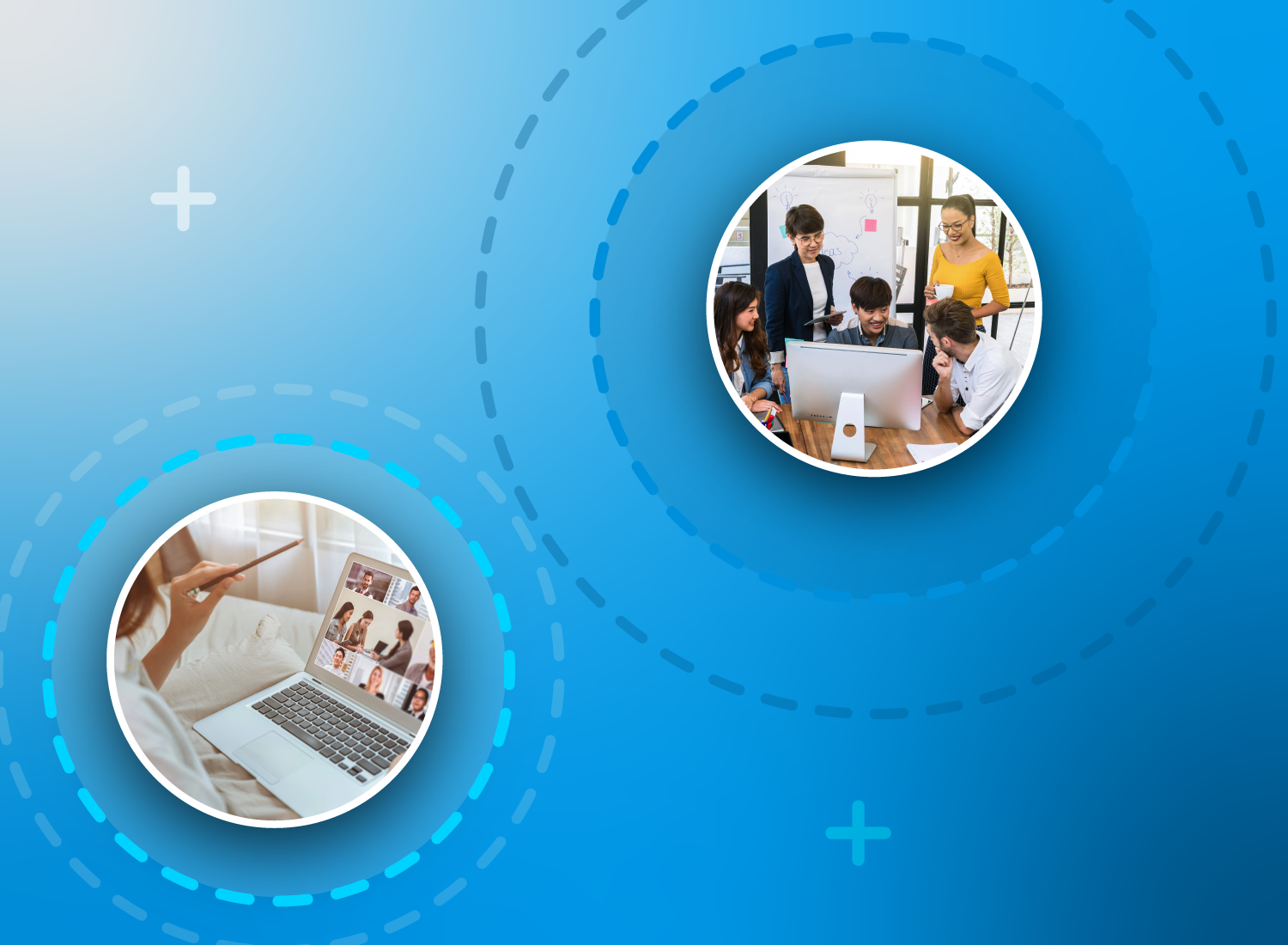
Maya and James bring equal talent, effort, and results to the same team. They collaborate closely, meet deadlines, and contribute meaningfully to every project. The only difference is where they work: Maya works remotely full-time, while James spends three days a week in the office.
When promotion season arrives, James gets the nod — not because his work was better, but because he’s more visible.
That’s proximity bias in action. It’s not a new phenomenon, but hybrid work has made it impossible to ignore. Proximity bias is the unconscious tendency to favor employees we see more often. It’s not malicious, but left unchecked, it creates real inequities in recognition, advancement, and belonging.
Addressing it takes intention and structure. It means building systems that promote fairness, empathy, and consistent communication so every employee has equal visibility, no matter where they work.
Understanding proximity bias in hybrid work
At its core, proximity bias is rooted in memory and connection.
“As humans, we tend to lean into things that are fresh in our memory, whether that’s a recent event or the people we’ve interacted with last,” explains TechSmith Human Resources Manager Kaitlin Godair.
In hybrid environments, that means the colleagues we see in person tend to stay top of mind more than those we interact with through a screen. There’s also a neurological factor at play.
“When you’re physically with someone, talking face to face, our brains recognize them on a more human, personal level,” Godair says. “We tend to have more empathy for them overall.”
That empathy — and the connection it builds — are difficult to replicate virtually. Proximity bias often overlaps with recency bias, which prioritizes the most recent interactions or contributions. But in hybrid structures, proximity bias carries added weight because visibility is inherently uneven.
Why hybrid work makes it more visible
Hybrid work didn’t create proximity bias; it just made it obvious. When some employees work in the office and others remotely, the difference in facetime naturally shapes how managers perceive engagement and performance. Unequal visibility becomes easier to spot and harder to explain away.
“I think it’s made it more visible,” Godair reflects. “With teams now split between remote and in-office work, it’s become a much more pressing issue that organizations need to address.”
Before hybrid work, companies often assumed everyone had equal access to context and connection simply because they shared physical space. Hybrid work shattered that assumption and revealed gaps that had always been there.
Build your next training video with Camtasia
Record your screen or camera. Then, use the video editor to add polish and clarity.
Learn More
How proximity bias impacts employees and managers
Proximity bias shows up quietly, in small decisions that add up over time. A manager assigns a high-visibility project to the employee they just chatted with in the break room. A remote teammate misses key details shared in an impromptu hallway discussion. These moments might seem inconsequential, but over time, they create real disparities in opportunity and recognition.
Recognition and advancement
The bias is often most visible during promotions and performance reviews. When two employees like Maya and James deliver comparable work, the one who’s physically present more often may earn more praise or faster advancement. Simply being seen can create the illusion of higher contribution.
“Someone who’s in the office more often than a peer who does equal quality work might be held in a higher regard for a promotion simply because their physical presence creates this false sense that they’re somehow doing more,” Godair explains.
Managers aren’t intentionally playing favorites. It’s human nature — our brains tend to equate visibility with productivity and engagement, even when remote employees are contributing just as much from afar.
Communication and connection gaps
Unequal facetime also affects day-to-day communication. In-office employees benefit from spontaneous interactions, like quick questions answered in passing or context shared over lunch. Remote employees, meanwhile, rely on scheduled meetings and formal channels to stay informed.
“One of the things that often gets overlooked with proximity bias is that employees who spend little to no time in the office miss out on those organic hallway or water cooler conversations,” Godair notes. “If teams aren’t careful, individuals can be left out of vital context and meaningful rapport-building.”
When remote employees regularly miss these informal exchanges, alignment and trust begin to slip. Over time, that lack of shared context can lead to disengagement or misunderstanding, not because of performance issues but because communication isn’t designed to reach everyone equally. It can also create a sense of exclusion when in-office relationships naturally grow closer, leaving remote teammates feeling less connected or valued.
How HR can identify proximity bias early
Addressing proximity bias starts with noticing when it’s influencing decisions. HR teams play a role by partnering with leadership to ensure evaluation criteria are clear, consistent, and grounded in measurable performance.
“There should be a way to identify if someone is being promoted based on merit and readiness, as opposed to preferential treatment due to visibility,” Godair says.
That starts with auditing patterns in promotions, project assignments, and performance ratings by work location. Are remote employees advancing at the same rate as in-office peers with comparable results?
“Clear, concise, objective standards are key and must be implemented consistently across the board,” Godair emphasizes. While some subjectivity is inevitable, transparent benchmarks help limit the impact of unconscious bias.
HR can also spot early warning signs that proximity bias is shaping team dynamics. Interpersonal tension, reduced collaboration, or uneven participation often point to communication gaps, not performance issues.
“Usually, signs begin to show as interpersonal conflicts,” Godair explains, “but the root cause is often a communication breakdown driven by proximity bias.”
Equipping managers to mitigate bias
Awareness training alone isn’t enough. Managers need ongoing support and practical tools to recognize and reduce proximity bias in everyday decisions.
“It’s not a topic that can only be discussed one time,” Godair says. “It’s an ongoing issue to be brought to light consistently, and HR should be training managers on the ways to be aware of its existence.”
Here are three areas of focus for managers:
- Regular performance check-ins: Employees should always know where they stand. Frequent one-on-ones ensure that remote employees don’t fall off the radar between formal reviews.
- Outcome-focused evaluations: Managers should prioritize results over presence. What has the employee delivered? What impact have they made? Focusing on outputs rather than visibility helps reduce bias.
- Team transparency: Encourage employees to share what they’re working on in open, accessible ways. This isn’t about micromanagement — it’s about ensuring everyone’s contributions are seen and valued.
“It’s important to impart to them that humans tend to gravitate toward people who are like themselves,” Godair says. “Good leaders make sure they’re supporting all team members, giving credit where it’s due, and not just leaning into those people they feel most comfortable with.”
Creating equitable visibility for remote employees
True visibility grows from connection and trust, not surveillance. It starts as early as employee onboarding and continues through performance reviews, feedback, and career growth. The goal is to make sure remote employees have the same access to leadership, acknowledgement, and opportunities as their in-office peers.
At TechSmith, that shows up in several ways. Frequent one-on-ones are an expectation for people leaders, while formal performance check-ins happen midyear and annually to create structured moments for alignment and feedback.
One simple but powerful practice: encouraging employees to turn their cameras on during virtual meetings. “When you’re already fighting that inability to see somebody physically, and then if they’re remote and their camera’s not on, it’s really easy to forget that they exist,” Godair says.
Leaders can also create informal opportunities for connection — virtual coffee breaks, optional coworking sessions, or casual check-ins that mirror the spontaneity of in-office interactions.
“Everybody’s on the same playing field. Everybody’s virtually chatting and just getting to know each other on a more personal level.”
Building communication systems that level the playing field
Technology plays an important role in reducing proximity bias. At TechSmith, every conference room is Zoom-ready to make hybrid meetings seamless. But lasting equity comes from communication practices that reinforce those tools.
TechSmith combines asynchronous and synchronous communication to keep messaging consistent for everyone, no matter where they work.
“We have Slack that works great to create a quick asynchronous chat environment,” explains Godair. “We try very hard to be purposeful with our messaging and in the ways we share information.”
That intentionality matters because not everyone processes information at the same speed or feels comfortable speaking up in real time. Some employees need space to reflect, ask questions, or formulate thoughtful responses. When all communication happens live, quieter voices and remote employees can easily be overlooked.
Blending async and live communication helps level the playing field for introverted team members, people across time zones, and anyone who contributes best when they have time to reflect.
Using video tools to maintain context
As a company that creates screen capture and recording software, we practice what we preach. Video messages, recorded updates, and asynchronous documentation give everyone equal access to context and time to process information.
With tools like Camtasia and Snagit, teams can easily create video messages, tutorials, and updates that keep work aligned, whether employees are in the office, at home, or somewhere in between. These videos also serve as a lasting record of decisions and discussions, so no one misses important context from informal conversations.
Make great tutorial videos
Camtasia makes it ridiculously easy to make tutorial videos that keep your viewers engaged.
Free Download
Why proximity bias will never disappear — and what awareness can do
Proximity bias isn’t going away, but organizations aren’t powerless against it. The goal isn’t to eliminate bias entirely, but to stay aware, design systems that reduce its impact, and keep the conversation active.
“I think the best way to keep bias to a minimum is to be conscious of it at all times,” Godair explains. “We can never become complacent and just assume that we’ve eradicated recency and proximity bias.”
Awareness itself is a cultural strength. When leaders acknowledge that bias exists and take consistent steps to counter it, they build greater trust, empathy, and fairness across hybrid teams.
Awareness is the new leadership advantage
Proximity bias isn’t an HR problem. It’s a human one. Every leader in a hybrid workplace plays a part in addressing it through awareness, empathy, and action.
Leaders who build consistency into their culture — through regular check-ins, transparent evaluation practices, and equal visibility — reduce bias and strengthen connection. Over time, those habits build trust, deeper engagement, and belonging across every team, regardless of location.
At TechSmith, we help organizations bridge the distance hybrid creates with tools that make communication consistent, equitable, and human. When teams can share context clearly and stay visible across locations, awareness leads to meaningful impact.
Explore TechSmith’s solutions to help your team stay visible, connected, and aligned wherever they work.
Need to show your screen?
Skip the downloads. Use Camtasia online to record your screen, camera, and microphone right in your browser for free.
Start Recording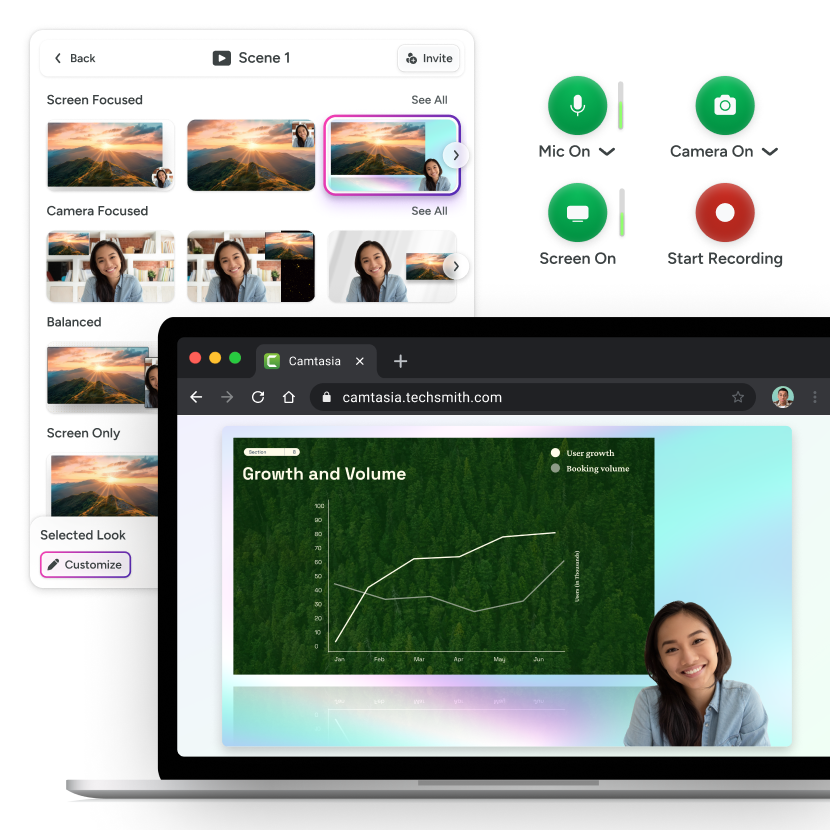
Share